
Sustainable Nutrition: How to Keep Healthy Eating on Your Plate for Life
We’ve all been there. One moment, we’re swearing off sugar, committing to green smoothies, and promising to never touch a fry again. The next? A stressful day leads to a comfort-food binge, and suddenly, we’re back where we started–frustrated, exhausted, and wondering if a balanced diet is even possible.
Here’s the truth: healthy eating isn’t about perfection. It’s about building habits that stick–not just for a week, but for a lifetime. Sustainable nutrition is the secret sauce to long-term health, energy, and feeling your best without falling for another fad diet. So, how do you make it work for the long haul? Let’s take a closer look.
Ditch the Diet, Embrace the Lifestyle
If quick-fix diets actually worked, we wouldn’t need new ones popping up every January. The problem? Most of them are too extreme, too restrictive, or just plain unrealistic.
Sustainable nutrition is about balance, not bans. It means enjoying your favorite foods in moderation, nourishing your body with real, wholesome ingredients, and making choices that support your long-term health–not just your short-term weight goals. Instead of cutting out entire food groups, think: more variety, fewer rules.
Try this: Rather than swearing off carbs (spoiler: your body needs them!), swap highly processed ones for whole grains, beans, and starchy veggies. You’ll get lasting energy without the crash.
Stock Your Plate Like a Pro (No Calculator Needed!)
Bored of playing detective with the nutritional information on labels? Forget counting calories like it’s a second job. A truly balanced meal doesn’t require a spreadsheet–just a little know-how. A great rule of thumb?
✔ Half your plate: Colorful veggies (the more variety, the better!)
✔ Quarter of your plate: Protein (lean meats, fish, eggs, tofu, or legumes)
✔ Quarter of your plate: Smart carbs (whole grains, sweet potatoes, quinoa)
✔ Bonus: Healthy fats (avocado, nuts, olive oil)
By building meals this way, you get everything your body needs–without overthinking it.
Try this: Instead of boring salads, mix up textures and flavors. Add roasted chickpeas for crunch, avocado for creaminess, and a zesty homemade dressing with olive oil for flavor.
Fad Diet Red Flags: Don’t Get Fooled Again
Ever seen a diet that promises to “melt fat overnight” or “reset your metabolism in 7 days”? Red flag alert! Most trendy diets fail because they’re based on extreme restrictions, which only lead to frustration, cravings, and burnout.
Some classic diet traps to avoid:
🚫 Cutting out entire food groups (your body thrives on variety)
🚫 Relying on shakes, pills, or detox teas (your liver already detoxes just fine)
🚫 Anything that sounds too good to be true (because it probably is!)
Instead of falling for gimmicks, focus on real food, steady progress, and long-term sustainability.
🥖 Try this: Love bread? Go for whole grain instead of white. Small swaps add up to a big impact over time!
Meal Prep, But Make It Easy
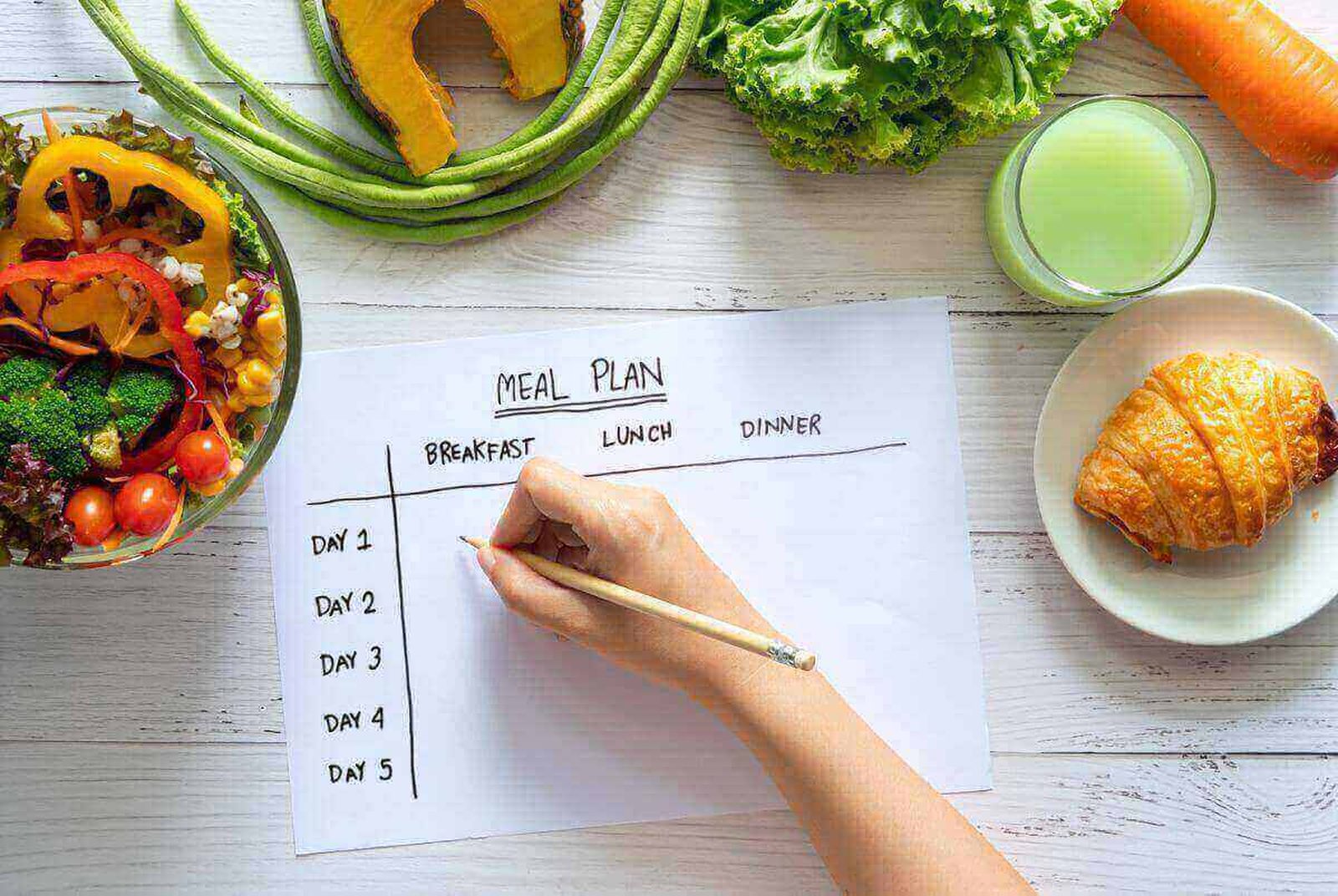
We all want to eat healthy, but let’s be real–life gets busy. Between work, family, and everything else, cooking every meal from scratch isn’t always an option. That’s where a little meal planning magic comes in.
The trick? Make healthy eating convenient.
Batch cook proteins, grains, and veggies ahead of time.
Keep healthy snacks on hand (nuts, yogurt, boiled eggs).
Make double batches of your favorite meals and freeze portions for later.
Think of meal prep as setting your future self up for success. Because let’s face it–when you’re hungry and tired, you’re reaching for whatever’s easiest. Might as well make it something good!
Motivation Mojo: Keep Going When the Going Gets Tough
It’s easy to eat well when motivation is high. But what about when life throws a curveball? Stress, cravings, and busy schedules can all derail good intentions.
Here’s how to stay on track without guilt or frustration:
Reframe your mindset: Healthy eating isn’t about being “good” or “bad.” It’s about fueling your body and feeling your best.
Satisfy cravings smartly: Love chocolate? Go for a square of dark chocolate instead of a whole bar of milk chocolate.
Plan for indulgences: If you love pizza night, keep it on the menu–just balance it with nutritious meals during the day.
Try this: Instead of “starting over” every Monday, focus on progress, not perfection. One less-than-ideal meal won’t ruin your health–just make the next one count.
The Mind-Nutrition Connection: Why Your Brain Needs to Eat Well Too
Ever notice how junk food makes you feel sluggish, while a nutrient-rich meal leaves you energised? That’s because what you eat isn’t just about physical health–it affects your mood, focus, and mental well-being too.
Stress, emotional eating, and low energy levels can all mess with your nutrition choices. That’s why it’s crucial to nourish both your body and your mind.
Practice mindful eating: Slow down, savor your meals, and listen to your hunger cues.
Ditch the guilt: One slice of cake won’t ruin your progress–enjoy it and move on.
Prioritize sleep: Lack of sleep fuels cravings and poor food choices.
Try this: Before reaching for a snack, ask yourself–am I actually hungry, or just bored, stressed, or tired? If it’s not hunger, find a non-food way to cope.
Long-Term Wins Over Short-Term Trends
At the end of the day, sustainable nutrition isn’t about rules or restrictions–it’s about creating a way of eating that feels good and works for your life. It’s about flexibility, not deprivation. Balance, not extremes. Progress, not perfection.
Start with small, simple changes. Swap one sugary drink for water. Add an extra veggie to your plate. Cook one more meal at home this week. Every choice adds up, and before you know it, healthy eating won’t feel like a chore–it’ll feel like second nature.
Need a little help finding your balance?
At CARED, our expert dietitians are here to make nutrition simple, enjoyable, and tailored to you. Whether you need support with meal planning, weight management, or an NDIS-supported nutrition plan, we’re ready to help you build a way of eating that works for life–not just for now.
Sign up, book a consultation today and take the first step toward a healthier, happier you!

Written by Dr Adam Wyatt
Content Writer
Dr. Adam Wyatt is a content writer at CARED and is a subject matter expert of the NDIS space. He holds a doctorate in media and communications and is an advocate for human-centered content that makes a difference in people’s lives.
Start with a referral, not a waitlist
Tell us who you’re supporting, and we’ll begin matching them with the right practitioner, with the reasons in writing.