


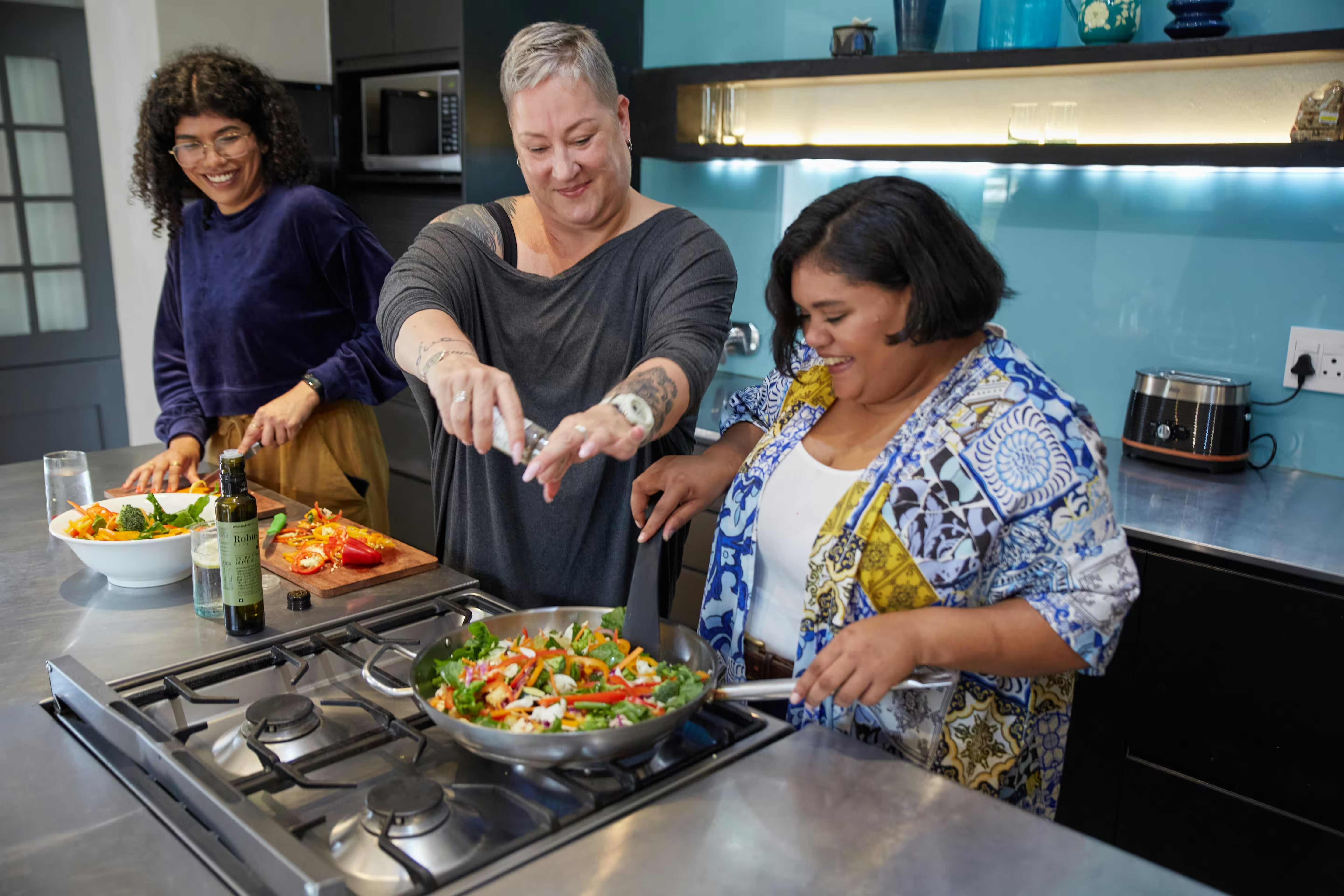
Clinical fit
The clinical picture comes first: what support is needed, and what it's working towards.
DiagnosisTherapy goalsFunctional needs
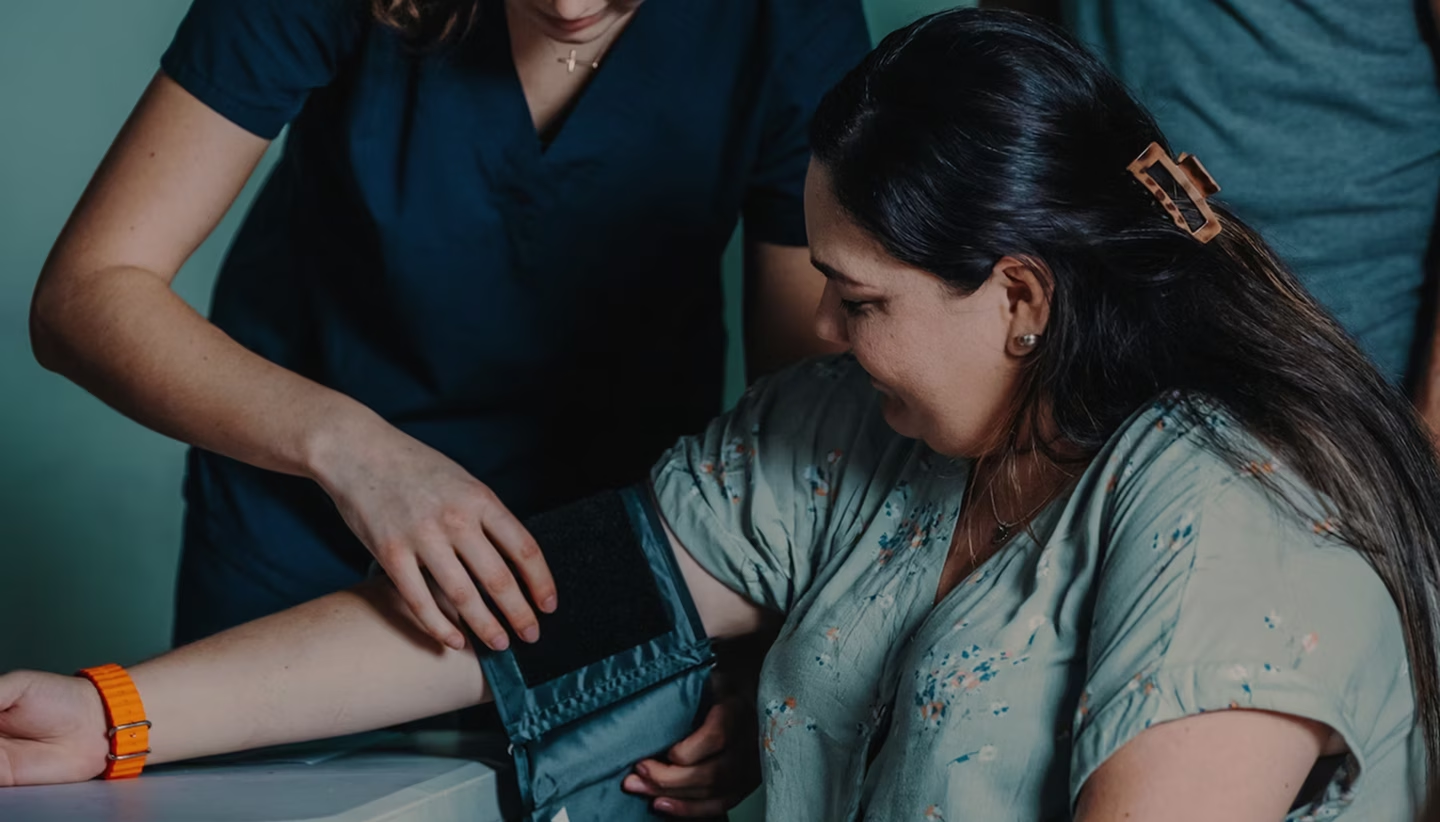
Occupational Therapy
Practical support to build independence in the everyday things that matter, at home, school, work and in the community.
Fully onboarded, matched and booked in within 72 hours from receipt of a complete referral. No referral needed.
what matters most
Occupational therapy isn't about 'fixing' a person. It's about understanding what someone wants to do, what's getting in the way, and finding practical solutions that support greater independence. Our OTs look at the whole picture:

The person
Their strengths, history and what they want to do.
what we assess
From daily routines to detailed assessments, our OTs support independence, participation and the evidence that backs your plan:
Practical skills for daily living – dressing and personal care, showering and toileting routines, meal preparation, managing routines and transitions, and increasing confidence at home and in the community. Small changes can create meaningful improvements in independence.
A detailed understanding of how disability affects everyday activities, participation and support needs, clear, clinically grounded, and reflecting the person's real-world experience. Learn more about Functional Capacity Assessments
The right equipment can change what's possible. We recommend AT that supports safety, independence and participation, considering not just the equipment, but how it works within the person's home, routines and goals.
An environment can create barriers or open doors. We assess homes and recommend modifications to improve safety, accessibility and independence, from grab rails and bathroom mods to access solutions, kitchen adaptations and larger works.
Finding the right living environment matters. We provide clinically informed assessments and recommendations for Specialist Disability Accommodation (SDA), Supported Independent Living (SIL) and individual living arrangements – built around the person's goals, preferences and functional needs.
THE EARLY YEARS
Build the foundations for everyday life, self-care, daily routines, play skills, and the social confidence that helps children thrive.
Support at school, handwriting, classroom focus, and sensory strategies that work where the challenges actually show up.
Understand and respond to their world, practical strategies that help children who experience sensory differences feel more in control.
Tools and coaching for the whole family, from assistive technology to parent coaching, so the support doesn't stop when the session does.

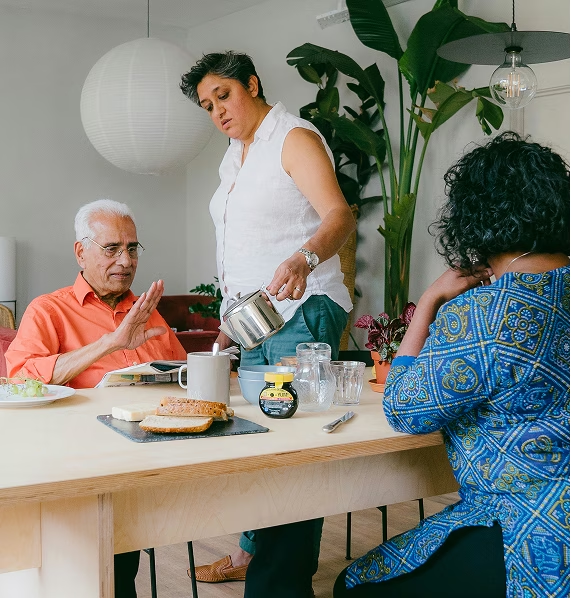
EVERYDAY LIFE
Stay safe and independent at home, home modifications, equipment prescription, falls prevention, and SDA and SIL assessments.
Get back to daily life, personal care, meal preparation, energy conservation, and the practical skills that make everyday living manageable.
Access your community, building the confidence and capability to get out, participate, and pursue employment or vocational pathways.
NDIS reports that work for you, FCAs, AT assessments, and progress reports written clearly and delivered on time.
how we match
Most providers allocate whoever becomes available first. We don't. Every referral is reviewed against everything that shapes a good fit, because the best outcomes happen when the practitioner fits the participant, not when they're simply free first.
The clinical picture comes first: what support is needed, and what it's working towards.
The things that decide whether sessions actually click.
A match that survives a real week: times, places and formats that work.
You'll get a plain-English summary of why this practitioner was suggested.
Going ahead is always your choice, that's yours, not ours.
more than a form
NDIS planning relies on clear information about functional impact, goals and support needs. Our OTs focus on:
Extensive clinical experience across disability, paediatrics, rehabilitation and complex support needs.
Your OT can collaborate with Speech Pathologists, psychologists, dietitians and exercise physiologists when a coordinated approach is needed.
Systems that support consistent, high-quality practice, so therapists focus on supporting participants.
Access experienced practitioners sooner, with flexible telehealth and in-person options.
WHERE IT HAPPENS
For functional assessments, equipment and home modifications, seeing the person in their real environment gives insight that can't always be captured elsewhere.
Fully onboarded, matched and booked in within 72 hours from receipt of a complete referral. No referral needed.
one team behind you
Need an urgent Functional Capacity Assessment? Fully onboarded, matched and booked in within 72 hours from receipt of a complete referral. Urgent FCA reports are delivered within 10 business days (two working weeks) of the final assessment session. Learn about urgent telehealth Functional Capacity Assessments
take the first step
Whether it's for yourself, your child or a family member, we're here to help you understand what it means and where to go from here.


