
Clinical fit
The clinical picture comes first: what support is needed, and what it's working towards.
DiagnosisTherapy goalsFunctional needs
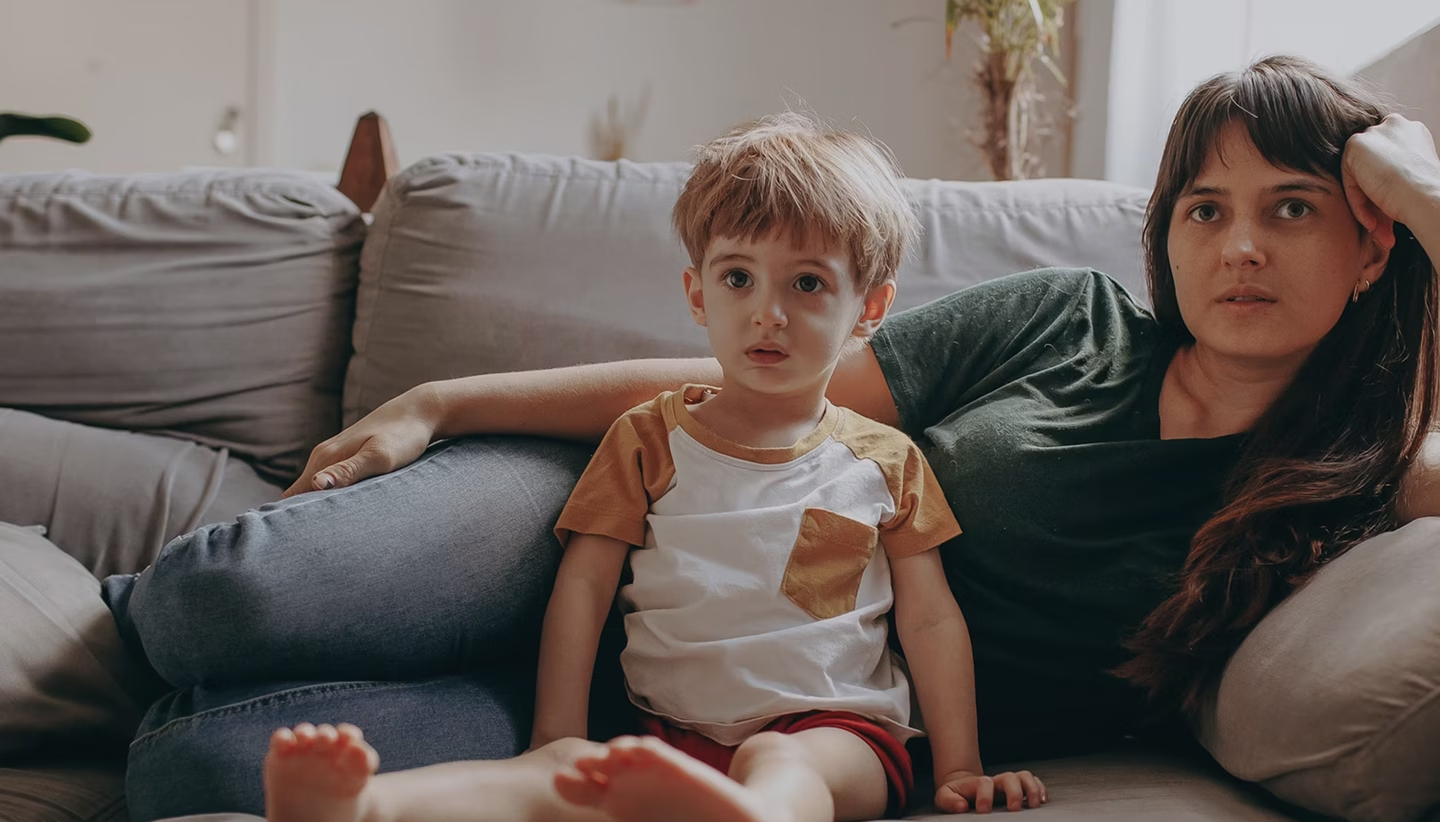
Positive Behaviour Support
Registered Behaviour Support Practitioners helping participants, families and teams understand behaviour and build safer, better days.
Fully onboarded, matched and booked in within 72 hours from receipt of a complete referral. No referral needed.
a different question
Positive Behaviour Support isn't about controlling behaviour, it's about understanding it. An evidence-based, person-centred approach that helps people safely express their needs, regulate emotions and participate more fully in everyday life.
Rather than asking "how do we stop this behaviour?", we ask:
What is this person trying to communicate?
What need isn't being met?
What skills could help?
What changes in the environment would make life easier?
how we help
Every service is tailored to the individual, their goals and the people who support them every day:
Comprehensive assessments that identify what happens before, during and after behaviours of concern – helping us understand why behaviours occur and what supports are most likely to help.
Clear, practical plans written in plain English that everyone can understand – from families and support workers to schools and therapists.
Teaching replacement skills that help participants communicate needs, regulate emotions, solve problems and participate more confidently in everyday life.
Supporting parents, carers, educators and support workers with practical strategies they can confidently use in real-world situations.
Evidence-based strategies that reduce, and wherever possible eliminate, the need for restrictive practices, while promoting safety, dignity and participant rights.
Behaviour changes over time. We regularly review strategies, celebrate progress and adjust plans as goals and circumstances evolve.
registered. suitable. accountable
Behaviour Support is the only allied health discipline where NDIS registration is mandatory when restrictive practices are involved. CARED works with registered behaviour support practitioners who meet the NDIS Commission's suitability requirements and professional standards, so referrals are simpler, compliance is covered, and you're working with practitioners who understand both the clinical and regulatory responsibilities.
Registered practitioners
NDIS Commission
Suitable
Meets suitability requirements
Accountable
Professional standards

support for the whole team
PBS isn't something that happens in a one-hour appointment each fortnight. It happens every day, with the people who know the participant best. That's why we coach and support:
When everyone understands the same strategies and responds consistently, participants feel safer, more supported and more able to develop new skills.
how we match
Most providers allocate whoever becomes available first. We don't. Every referral is reviewed against everything that shapes a good fit, because the best outcomes happen when the practitioner fits the participant, not when they're simply free first.
The clinical picture comes first: what support is needed, and what it's working towards.
The things that decide whether sessions actually click.
A match that survives a real week: times, places and formats that work.
You'll get a plain-English summary of why this practitioner was suggested.
Going ahead is always your choice, that's yours, not ours.
positive behaviour support & the ndis
Positive Behaviour Support is funded through the NDIS under Capacity Building - Improved Relationships, for participants whose disability contributes to behaviours of concern.
Behaviour Support may benefit participants who:
The goal is never simply reducing behaviours. The goal is improving lives.
we come to you
Behaviour is influenced by environment, so it makes sense to provide support where people actually live, learn and participate.
By seeing participants in familiar environments, we can better understand what's happening and develop strategies that work in everyday life, not just in theory. Available Australia-wide via secure telehealth.
one team behind you
person at the centre
Whoever you're seeking support for, we start with the person, their strengths, their goals, their everyday life


